
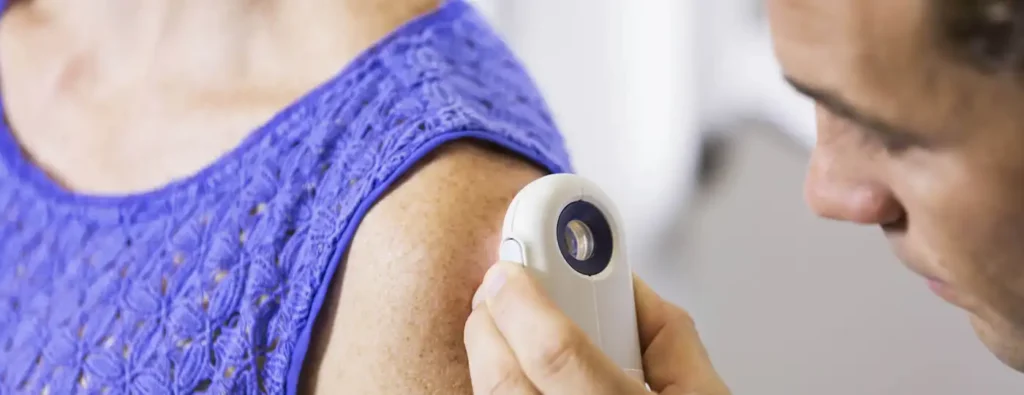
Dermatologist-led · No GP referral · Cardiff
Keloid scar treatment in Cardiff
Flatten and soften keloid scars, and ease itching and pain, with steroid injections, intralesional cryotherapy or a combination of both. Treatment by dermatologist Dr Yasmeen Etman. No GP referral needed.


Rated excellent on Google
By our patients
HIW registered
Healthcare Inspectorate Wales
Senior, named clinicians
GMC and NMC registered
Award-winning clinic
Best Private Medical Clinic, Wales
At a glance
Steroid injections
£250 assessment and first injection
Course of 3
£470
Intralesional cryotherapy
Quoted after assessment
Seen by
Dr Yasmeen Etman, Dermatologist
Who we see
Consultations 12+, treatment 18+
Private keloid treatment in Cardiff
A keloid is a raised, firm scar that keeps growing beyond the edges of the original wound. Keloids often follow ear piercings, acne, chickenpox, surgery or minor injuries, and they can be itchy, painful and difficult to live with. They are more common in people with darker skin and tend to run in families.
At Excel Clinic, dermatologist Dr Yasmeen Etman assesses your scar and recommends the treatment most likely to help: steroid injections, intralesional cryotherapy (freezing the keloid from the inside) or a combination of both. Treatment aims to flatten and soften the keloid and relieve symptoms.
You can refer yourself. You do not need a GP referral. Consultations are for ages 12 and over. Treatments are for adults aged 18 and over.
Medically reviewed by Dr Yasmeen Etman, MBBS, PhD, MD, SCE, FEBDV, PgDip, Dermatologist (GMC 7667429). Last updated November 2026.
Keloid or hypertrophic scar?
Keloid scars grow beyond the edges of the original wound and can keep growing for months or years. They are often shiny, firm and pink, red or darker than the surrounding skin. Common places are the earlobes, chest, shoulders, upper back and jawline.
Hypertrophic scars are also raised but stay within the original wound and often improve slowly on their own. Many of the same treatments can help them settle faster.
Keloids are not harmful, but they rarely go away without treatment and can come back after treatment. Dr Etman will explain what is realistic for your scar. Any lump that is growing quickly, bleeding or changing should be checked to rule out other causes. See our dermatology page.
Why people seek keloid treatment
- Itching, tenderness or pain in the scar
- An earlobe keloid after a piercing
- A scar on the chest, shoulder or back that keeps growing
- Keloids that have come back after previous treatment
- Self-consciousness about how the scar looks
Get it checked promptly if
- A lump is growing quickly, bleeding or ulcerating
- A “scar” appeared without any injury you can remember
- The area is hot, swollen and painful, which could be infection
These need assessment to rule out other causes. We are not an emergency service. If you feel unwell, contact your GP.
Is keloid treatment at Excel right for you?
Our keloid service is designed for people who:
Are aged 18 or over for treatment
Consultations are for ages 12 and over, with a parent or guardian if under 18. Injections and cryotherapy are for adults aged 18 and over.
Can send photos when booking
A close-up and a wider photo of each scar help Dr Etman plan your appointment and the best treatment.
Understand keloids can return
Keloids often need a course of treatment and ongoing care. Dr Etman will explain what you can realistically expect.
Treatment options
Dr Etman recommends treatment based on the size, age and position of your keloid and how it has responded to treatment before.
Steroid injections
Steroid is injected directly into the keloid to flatten and soften it and ease itching and pain. Usually repeated every 4 to 6 weeks as a course.
Intralesional cryotherapy
Under local anaesthetic, a sterile needle connected to a liquid nitrogen unit is passed through the keloid, freezing it from the inside out, while sparing the skin surface. Suitable for selected keloids, particularly raised, bulky or stubborn ones.
Combination treatment
Intralesional cryotherapy and steroid injections can be combined, which may help reduce the keloid further and lower the chance of it coming back.
Silicone gel or sheets
Dr Etman may recommend silicone products between treatments to help keep the scar flat and soft.
Assessment first
Your scar is examined, and anything unusual is checked before treatment starts.
Your dermatologist
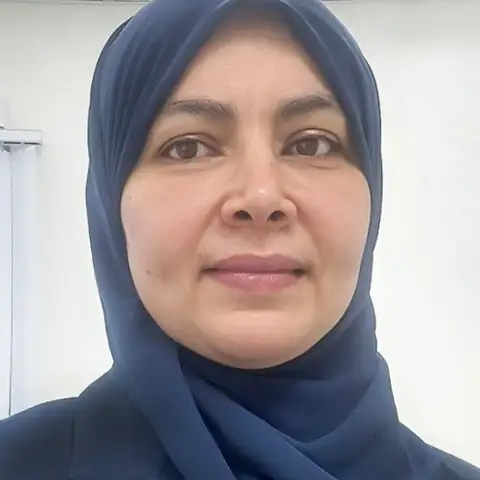
Dermatologist
Dr Yasmeen Etman
MBBS, PhD, MD, SCE, FEBDV, PgDip · GMC 7667429
Dr Etman is a European Board-Certified Dermatologist (MBBS, PhD, MD, SCE, FEBDV, PgDip) with over 20 years’ experience in medical, surgical and aesthetic dermatology across three continents. Alongside her private practice, she works as an NHS dermatologist.
Her expertise covers skin cancer and mole assessment, mole and lesion removal, acne, vitiligo, hair loss and advanced aesthetic treatments. She holds a PhD in Laser Medicine and is a member of the British Association of Dermatologists (BAD), the European Academy of Dermatology and Venereology (EADV) and the British Society for Cutaneous Allergy (BSCA).
She is known for her compassionate, personalised approach and takes time to explain your diagnosis and options clearly.
What our patients say


 Trustindex verifies that the original source of the review is Google.
 Trustindex verifies that the original source of the review is Google.
 Trustindex verifies that the original source of the review is Google.
 Trustindex verifies that the original source of the review is Google.

 Trustindex verifies that the original source of the review is Google.
 Trustindex verifies that the original source of the review is Google.
 Trustindex verifies that the original source of the review is Google.
 Trustindex verifies that the original source of the review is Google.
What happens at your appointment
Steroid injections
- Assessment. Dr Etman examines the keloid and agrees a plan. Our team confirms the cost before treatment.
- Injection. Steroid is injected into the keloid with a fine needle. It can sting briefly, and takes a few minutes.
- Afterwards. You can go straight home. Injections are usually repeated every 4 to 6 weeks.
Intralesional cryotherapy
- Local anaesthetic. The keloid and surrounding skin are numbed.
- Freezing. A sterile needle, connected to a medical liquid nitrogen unit, is passed through the keloid so liquid nitrogen flows through it and freezes the keloid from the inside out. The treatment usually takes 15 to 30 minutes, depending on size.
- Dressing. The area is dressed and you go home the same day with written aftercare instructions.
Please tell us when booking if you take blood thinners, are pregnant, have a pacemaker or have had treatment for the keloid before.
Your keloid treatment, step by step
Send your enquiry
Photo review
Assessment
Treatment course
Review
Tap each step for more detail.
1. Send your enquiry
Complete the form at the bottom of this page, choose “Keloid scar” and upload a close-up and a wider photo of each scar.
2. Photo review
Dr Etman reviews your enquiry at her next clinic session, so this can take a few working days. Our team then contacts you to arrange your appointment.
3. Assessment
Dr Etman examines your scar and recommends steroid injections, intralesional cryotherapy or a combination. Steroid injection treatment can usually start the same day.
4. Treatment course
Further injections every 4 to 6 weeks, or intralesional cryotherapy, depending on your plan.
5. Review
Dr Etman checks your progress and advises on further treatment and how to reduce the chance of the keloid returning.
Recovery and aftercare
After treatment
Contact us if the area becomes red, hot, increasingly painful or swollen, or if you have a fever.
Safety and results
Steroid injection side effects
Possible side effects include thinning or a dip in the skin, lighter patches and small visible blood vessels in the treated area. Dr Etman uses the lowest effective dose to reduce these risks.
Cryotherapy side effects
Freezing can cause swelling, blistering and lighter skin in the treated area. Freezing from the inside is designed to spare the skin surface, but changes in skin colour can still happen, particularly in darker skin.
Keloids can return
Treatment can flatten keloids and relieve symptoms, but keloids can come back. Combining treatments and early review can help.
Excel Clinic compared with the NHS in Wales
| Excel Clinic | NHS in Wales | |
|---|---|---|
| GP referral | Not needed | Required |
| Treatment for appearance | Available | Not usually funded |
| Intralesional cryotherapy | Available for selected keloids | Limited availability |
| Waiting time | Usually within weeks | Often long for routine treatment |
| Who treats you | Dermatologist | Dermatology or plastic surgery team |
| Cost | Published fees, or a written quote | Free if eligible |
Tip: scroll sideways to see the full table on a phone.
Keloid treatment cost in Cardiff
| Treatment | Fee |
|---|---|
| Keloid assessment and first steroid injection Includes your assessment with Dr Etman | £250 |
| Course of 3 steroid injections Including your assessment | £470 |
| Intralesional cryotherapy Depends on the size and number of keloids | Quoted after assessment |
| Combination treatment Intralesional cryotherapy with steroid injections | Quoted after assessment |
| Follow-up appointment If you need a separate review | £150 |
| Dermatology consultation If you would like an assessment only | £235 |
Our team confirms the cost of any treatment before anything is done. Intralesional cryotherapy and combination treatment are quoted in writing after Dr Etman has assessed your keloid.
Why choose Excel Clinic?
Dermatologist-led
Your keloid is assessed and treated by Dr Yasmeen Etman, an experienced dermatologist who also works in the NHS.
Intralesional cryotherapy
A specialist treatment that freezes the keloid from the inside, available in Cardiff.
Combined approach
Steroid injections, cryotherapy or both, tailored to your scar.
Easy to reach
Cardiff Gate, just off Junction 30 of the M4, with patient parking.
Frequently asked questions
How much does keloid treatment cost in Cardiff?
Keloid assessment with the first steroid injection costs £250, and a course of 3 steroid injections costs £470. Intralesional cryotherapy and combination treatment are quoted after Dr Etman has assessed your keloid.
What is intralesional cryotherapy?
It is a way of freezing a keloid from the inside. Under local anaesthetic, a sterile needle connected to a medical liquid nitrogen unit is passed through the keloid and freezes it from the core outwards, while sparing the skin surface. It is used for selected keloids, particularly raised or stubborn ones, and can be combined with steroid injections.
How many steroid injections will I need?
Most people need a course of injections, usually every 4 to 6 weeks. Dr Etman will advise how many are likely to help your scar.
Can keloids be removed completely?
Treatment can flatten and soften keloids and relieve itching and pain, but it is not always possible to remove them completely, and they can come back. Dr Etman will explain what is realistic for you.
Can you treat earlobe keloids?
Yes. Earlobe keloids after piercing are common and often respond to steroid injections, intralesional cryotherapy or a combination.
Is treatment painful?
Steroid injections sting briefly. Intralesional cryotherapy is done under local anaesthetic, and the area may be sore and swollen for a few days afterwards.
Will treatment affect my skin colour?
Both treatments can cause lighter patches in the treated skin, particularly in darker skin. Dr Etman will discuss this with you before treatment.
Do you treat keloids in children?
We see young people aged 12 and over for a consultation, with a parent or guardian. Injections and cryotherapy are for adults aged 18 and over.
Do I need a GP referral?
No. You can refer yourself.
Still have a question? Send us a message or call 02922 645305.
Book your keloid assessment
Dermatologist-led keloid treatment in Cardiff, with steroid injections from £250 and intralesional cryotherapy available.
Book your appointment
Choose “Keloid scar” and upload a close-up and a wider photo of each scar. Dr Etman reviews every enquiry, and our team will be in touch to arrange your appointment.
Find us
Excel Clinic
3 Oaktree Court, Mulberry Drive
Cardiff Gate Business Park
Cardiff CF23 8RS
Just off Junction 30 of the M4, with designated patient parking. Open Monday to Friday, 9am to 5pm.